What Beverage Co-Packers Want Brands to Know Before the First Production Run
The first production run is not just a scale-up event. It is a test of whether the formula, documentation, process assumptions, and packaging format can survive a commercial RTD beverage line without creating avoidable downtime.
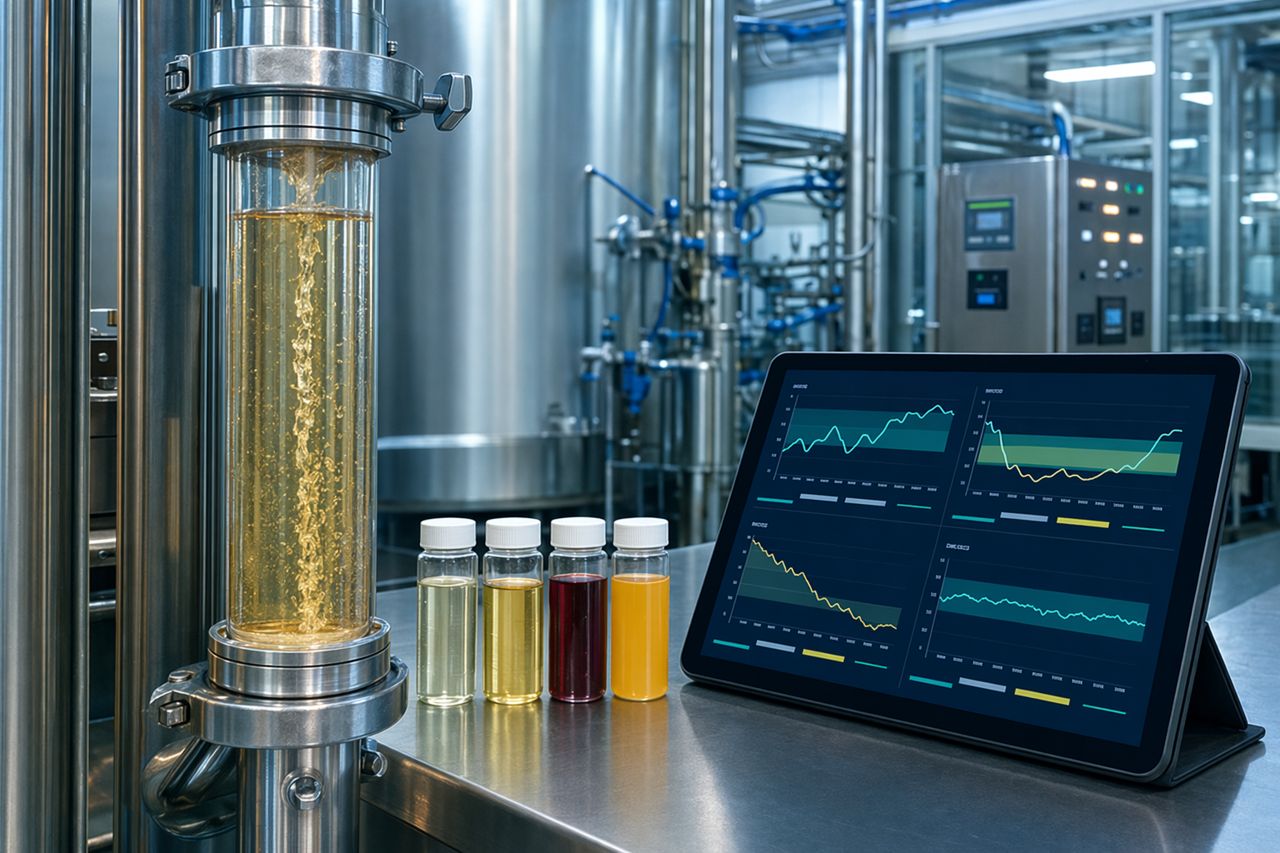
For brands using fruit bases, tea extracts, botanical infusions, oat systems, pulps, fibers, sweeteners, or functional ingredients, the technical details matter before the first pallet is scheduled. A practical enzyme supplier for beverage manufacturing can help translate formulation goals into process-ready controls for clarity, mouthfeel, viscosity, extraction yield, and repeatable line performance.
This guide outlines what co-packers typically want brands to know before the first run, and where enzyme-enabled process design can reduce risk.
For co-packers and brand owners: Enzymeforbeverages supplies enzymes wholesale for trial lots, first runs and repeat production, quoted per order. Send the product, the process problem, the quantity and the destination through the inquiry form.
The first run is won before the product reaches the line
Co-packers are built around throughput, food safety, changeover discipline, and predictable quality. A new beverage brand arrives with a target product experience. The plant needs that experience converted into operating instructions that can be run, checked, and repeated.
The best first runs usually have five things aligned early:
- A clear product specification with measurable quality targets
- Complete ingredient documentation and handling requirements
- Defined process windows for temperature, hold time, pH, mixing, and filtration
- Packaging and line compatibility confirmed before production day
- QC expectations that match both brand standards and plant capabilities
When these are incomplete, the line becomes the development lab. That is expensive for everyone.
1. Product specifications need production language, not just brand language
A finished beverage specification should do more than describe flavor and appearance. It should give the co-packer operating targets they can verify during batching, processing, filling, and release.
Specifications co-packers expect to see
Include practical target ranges for:
- Brix or solids contribution
- pH and acidity profile
- Viscosity or flow behavior where relevant
- Turbidity, haze, or clarity target
- Color target and acceptable drift
- Pulp or particulate load
- Sensory attributes tied to processing outcomes
- Fill volume, closure, package format, and shelf-life target
- Microbiological and release criteria
If the beverage depends on controlled haze, a smooth mouthfeel, or low viscosity at a defined solids level, say that clearly. The plant needs to know whether haze is a defect, a brand feature, or a controlled attribute.
Where enzymes can help
Enzyme processing can be used to improve or stabilize production outcomes such as:
- Reducing viscosity in fruit, botanical, grain, or fiber-rich bases
- Improving juice or extract recovery from raw materials
- Supporting clearer filtration performance
- Improving mouthfeel consistency in carbohydrate-rich systems
- Reducing sediment risk caused by unstable pectin, starch, or cell-wall fractions
- Helping the formula behave more predictably during blending and thermal processing
The key is to define the intended production outcome first. The enzyme program should support the process target, not become an uncontrolled variable.
2. Ingredient documentation must be complete before the line is booked
Co-packers need documentation because they are responsible for food safety, traceability, allergen management, regulatory review, and release control. Missing documents can delay a run even when the formula is technically sound.
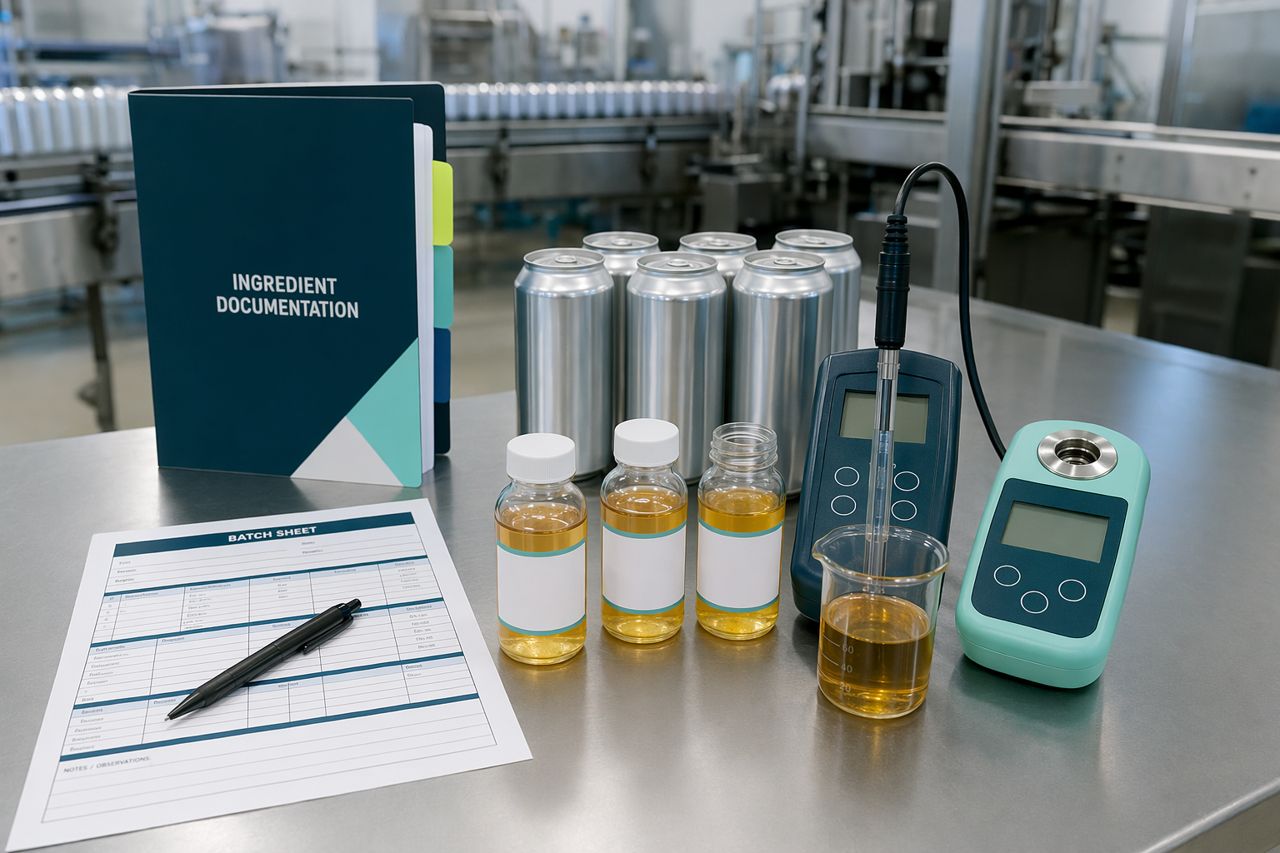
Prepare a documentation packet for every ingredient
Before the first run, confirm availability of:
- Current specification sheet
- Safety data or handling sheet where applicable
- Allergen statement
- Country of origin statement
- Nutrition contribution information
- Regulatory status and intended-use confirmation
- GMO, vegan, organic, kosher, halal, or other claims documentation where relevant
- Storage conditions and shelf-life information
- Lot coding and traceability format
- Certificate of analysis expectations
For enzyme ingredients, the co-packer will also want to understand storage conditions, addition point, processing purpose, and how the enzyme step is controlled within the production method.
Commercial impact
Incomplete documentation causes hidden costs:
- Delayed purchasing approval
- Extra QA review cycles
- Line scheduling risk
- Ingredient quarantine at receiving
- Reformulation pressure close to the run date
- Missed launch timelines
A clean document packet tells the plant your brand is ready to operate at commercial speed.
3. Define process windows before production day
A beverage formula may work in a benchtop sample and still fail under commercial mixing, heating, transfer, or filtration conditions. Co-packers want process windows because they need to understand how sensitive the formula is to normal plant variation.
Process windows to define
For RTD beverage manufacturing, align on:
- Order of addition
- Hydration time for gums, fibers, proteins, or powders
- Mixing intensity and shear tolerance
- Temperature range for each critical step
- Hold time range before and after key additions
- pH range at enzyme addition, processing, and final adjustment
- Filtration or separation requirements
- Heat treatment impact on color, flavor, haze, and viscosity
- Maximum acceptable wait time before filling
If the formula includes enzymes, define where they enter the process and what observable production outcome confirms the step is complete enough for the next operation.
Avoid vague instructions
Instructions like “mix until smooth” or “treat until clear” are not strong enough for a co-packer. Convert them into production checks:
- Visual clarity target
- Transferability through selected piping and pumps
- Filtration behavior at expected flow
- Viscosity range at process temperature
- Absence of gel particles or unresolved solids
- Stable appearance after thermal processing
The goal is not to overcomplicate the batch sheet. The goal is to remove ambiguity from the critical decisions that affect line speed and finished quality.
4. Line compatibility is a commercial requirement
A formula is not ready for a first run until it fits the plant’s line. Many first-run issues come from a mismatch between the beverage and the available processing equipment.
Check compatibility early
Confirm whether the plant can support:
- Hot-fill, tunnel pasteurization, aseptic, or cold-chain requirements
- Required blending and hydration steps
- Homogenization or high-shear needs
- Filtration, centrifugation, or clarification steps
- Particulate handling and fill valve tolerance
- Carbonation, nitrogen dosing, or deaeration where applicable
- CIP compatibility for sticky, pulpy, or high-fiber systems
- Packaging format, closure, label, case pack, and pallet pattern
A premium product concept still has to move through stainless steel at production speed.
Enzyme strategy and line efficiency
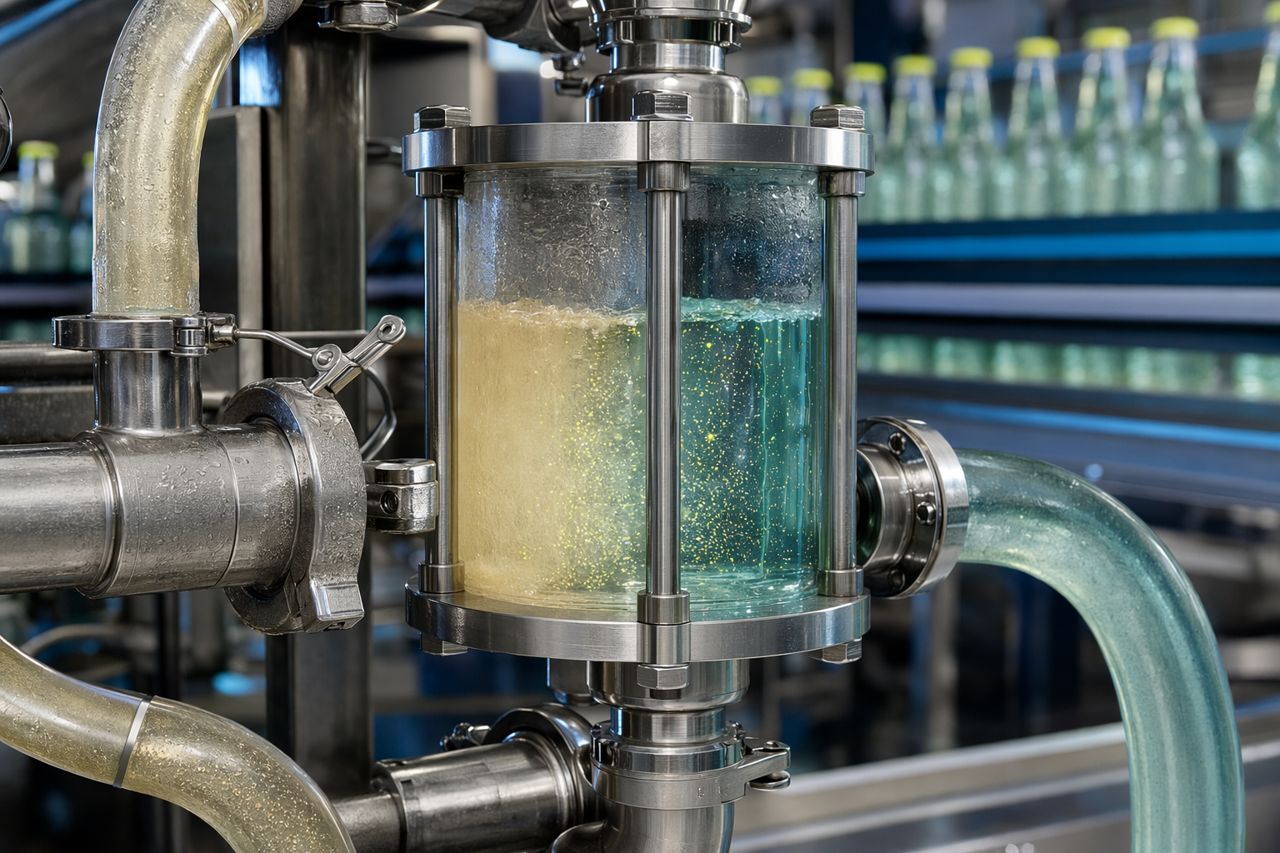
In RTD beverage factories, enzyme-enabled viscosity reduction or clarification can improve line efficiency when designed correctly. Practical benefits may include:
- Easier pumping and transfer
- Lower risk of filter blinding
- More consistent tank turnover
- Reduced settling during hold periods
- Better recovery from fruit or plant-based inputs
- More predictable texture after processing
These outcomes matter because first-run economics are sensitive. Downtime, rework, and extended filtration time can erase margin before the product ships.
5. QC expectations should be aligned with the co-packer’s release process
Brands often arrive with aspirational quality standards. Co-packers need release standards that are measurable, documented, and feasible within the plant’s QC workflow.
Define in-process and finished-product checks
Agree in advance on:
- Raw material inspection expectations
- Batch pH and Brix checks
- Appearance, turbidity, or clarity checks
- Viscosity or flow behavior checks when relevant
- Fill temperature or process temperature verification
- Closure and seam inspection expectations
- Net contents control
- Retained sample plan
- Microbiological hold and release timeline
- Sensory approval process
The brand and co-packer should know who has authority to approve adjustments during production. Waiting for remote approvals while a full batch sits in a tank is not a plan.
Build an escalation path
Before the run, define what happens if:
- The batch is outside target pH
- The beverage is too viscous to filter efficiently
- Haze appears after heat treatment
- Pulp settles faster than expected
- Color shifts during the hold
- Fill performance is inconsistent
- Sensory is acceptable but a process metric is outside range
Good escalation planning protects quality without turning every deviation into a shutdown.
6. Pilot data should reflect the real manufacturing route
Small-scale development data is useful only when it maps to the co-packer’s equipment. A beaker, kitchen kettle, or lab filter may not predict plant behavior.
Strong pilot data includes
- Ingredient lot details
- Actual order of addition
- Mixing time and temperature
- pH before and after key additions
- Process hold times
- Heating and cooling profile
- Filtration or separation observations
- Sensory notes after processing
- Appearance stability over time
- Packaging or storage conditions used for evaluation
For enzyme-supported processes, record what changed operationally: viscosity reduction, improved extraction, faster clarification, reduced sediment, or improved repeatability. Those observations help the plant decide how to structure the commercial batch.
7. Co-packers value brands that understand changeover and cleaning
The first run does not happen in isolation. Your product fits into a schedule with other products before and after it. Ingredients that are sticky, pulpy, allergenic, strongly colored, aromatic, or difficult to rinse affect changeover time.
Discuss cleaning impact before scheduling
Be transparent about:
- Fruit concentrates and pulps
- Fibers, gums, starches, or plant proteins
- Strong botanical extracts
- Oil phases or emulsions
- Colors that stain hoses, gaskets, or tanks
- Ingredients with allergen or claim segregation requirements
- Viscous syrups or solids that require extended rinse time
If enzyme processing reduces viscosity or improves solids breakdown, it may also support cleaner transfers and more predictable post-run cleaning. The benefit should be validated in the plant’s actual process, not assumed.
8. The quote will be better when the process is clear
A co-packer quote is only as accurate as the assumptions behind it. If the formula, process, and QC plan are vague, the quote will carry more contingency or miss key cost drivers.
Details that improve quote quality
Provide:
- Annual volume estimate and first-run volume
- Package format and case configuration
- Number of SKUs and flavor changeovers
- Ingredient sourcing responsibility
- Required processing route
- Estimated batch size
- Expected filtration, clarification, or separation needs
- Hold times and release timing
- Special storage or handling requirements
- Shelf-life and distribution conditions
When enzyme processing is part of the manufacturing plan, specify the business reason. For example: improve extraction yield, reduce viscosity for transfer, improve clarity before filtration, or stabilize mouthfeel. This helps the plant price the run around real operating requirements.
First-run readiness checklist
Use this checklist before booking the production window.
Formula and specification
- Finished specification approved
- Brix, pH, clarity, color, and viscosity targets defined where relevant
- Sensory standard aligned with measurable production attributes
- Ingredient order of addition confirmed
- Adjustment limits and approval authority defined
Ingredient and regulatory
- Documents collected for every ingredient
- Claims documentation verified
- Storage and shelf-life requirements confirmed
- Lot traceability plan understood
- Enzyme purpose and handling instructions documented where applicable
Process and equipment
- Commercial process flow drafted
- Temperature, hold time, and pH windows confirmed
- Mixing and hydration requirements defined
- Filtration or separation assumptions tested
- Packaging line compatibility checked
- Changeover and cleaning impact discussed
Quality and release
- In-process QC checks agreed
- Finished-product release criteria approved
- Retain sample plan confirmed
- Microbiological timeline understood
- Deviation escalation path established
How Enzymeforbeverages supports RTD first-run readiness
Enzymeforbeverages works with beverage teams that need enzyme solutions translated into production outcomes. We focus on practical process design for RTD manufacturing, including clarity improvement, mouthfeel control, viscosity reduction, extraction support, filtration performance, and formulation repeatability.
For a first production run, that means helping your technical team define:
- The enzyme objective in commercial terms
- The best addition point in the process flow
- Practical process windows for consistent performance
- Observable checks for batch readiness
- Compatibility considerations for the co-packer’s equipment
- Documentation your QA and operations teams can use
The result is a clearer conversation with the co-packer and a stronger path from pilot success to commercial production.
Ready to pressure-test your first run plan?
If your RTD beverage uses fruit, botanical, tea, coffee, cereal, plant-based, or fiber-rich ingredients, Enzymeforbeverages can help evaluate where enzyme processing may improve line behavior and finished-product consistency.
Request a quote through the on-site form and share your formula objective, process route, target package, and first-run timeline. We will help you map the enzyme strategy to commercial manufacturing outcomes.